Finding the right tent is the difference between a memorable outdoor experience and a restless, damp night. With modern advancements in materials and design, choosing a shelter now depends entirely on your specific camping style.

- 1. Types of Tents and Their Best Uses
- Understanding tent architecture helps you match a model to your environment:
- Dome Tents: The most popular all-rounders. They are stable, easy to set up, and provide decent head height.
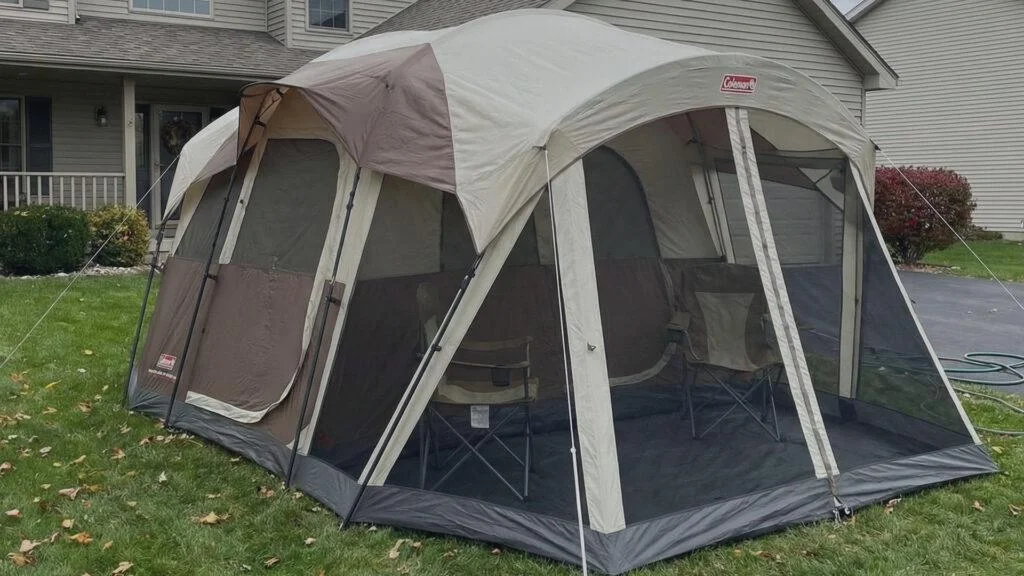
- Cabin Tents: Feature near-vertical walls to maximize interior living space. These are ideal for families who want a "home-like" experience with standing room.
- Tunnel Tents: Great for larger groups, offering a superior space-to-weight ratio and excellent wind resistance when pitched correctly.
- Geodesic Tents: Built with extra poles for extreme strength. These are the go-to for high-altitude or severe winter camping.
- Pop-Up Tents: Designed for instant setup, making them perfect for festivals or casual, fair-weather weekend trips.


- 2. Key Features to Look For
- When evaluating a tent, look beyond the price tag to these critical technical specs:
- Season Ratings:
- 3-Season: Best for spring through fall; lightweight and breathable with mesh panels.
- 4-Season (Winter): Built with thicker walls and stronger poles to withstand heavy snow and high winds.
- Peak Height: If you prefer standing to change clothes, look for a "cabin-style" tent with a peak height of 72 inches or more.
- Vestibules and Porches: These "mudrooms" provide external storage for boots and gear, keeping your sleeping area clean and dry.
- Footprints: Always use a separate ground cover (footprint) to protect your tent floor from sharp rocks and moisture.
- 3. Top Recommended Tents for 2026
Based on recent field testing, here are the standout performers:
Category
Model
Key Highlight
Best Overall
Nemo Aurora Highrise 6P
Excellent livability with steep sidewalls and easy setup.
Best Budget
Coleman Skydome 6P
Great value with a fast 10-minute pitch time.
Best for Families
The North Face Wawona 6
Massive vestibule that acts as a covered front porch.
Best Lightweight
Big Agnes Copper Spur UL2
The gold standard for ultralight backpacking.
Best for Bad Weather
SlingFin Portal 2
Exceptional stability in high winds for a lightweight tent.
- 4. Pro Tips for First-Time Buyers
- Size Up: A "4-person" tent usually fits 2-3 people comfortably with gear. If you are car camping, always buy one size larger than your group for extra comfort.
- Check the Rainfly: Ensure the rainfly provides full coverage (extending to the ground) if you expect heavy rain.
- Ventilation Matters: Look for tents with multiple mesh windows or floor vents to prevent condensation buildup overnight.
- Visual Inspiration
- For high-quality imagery to accompany this article, focus on the following styles:
- Landscape Action: A dome tent lit from within at twilight, set against a mountain or forest backdrop.
- Product Detail: A close-up of a tent’s "screened-in porch" or vestibule area featuring organized gear.
- Family Lifestyle: A cabin-style tent with its doors open, showing an airy interior with air mattresses and sleeping bags.
Would you like a more detailed breakdown of winter-specific tents or a comparison of budget-friendly brands for beginners?