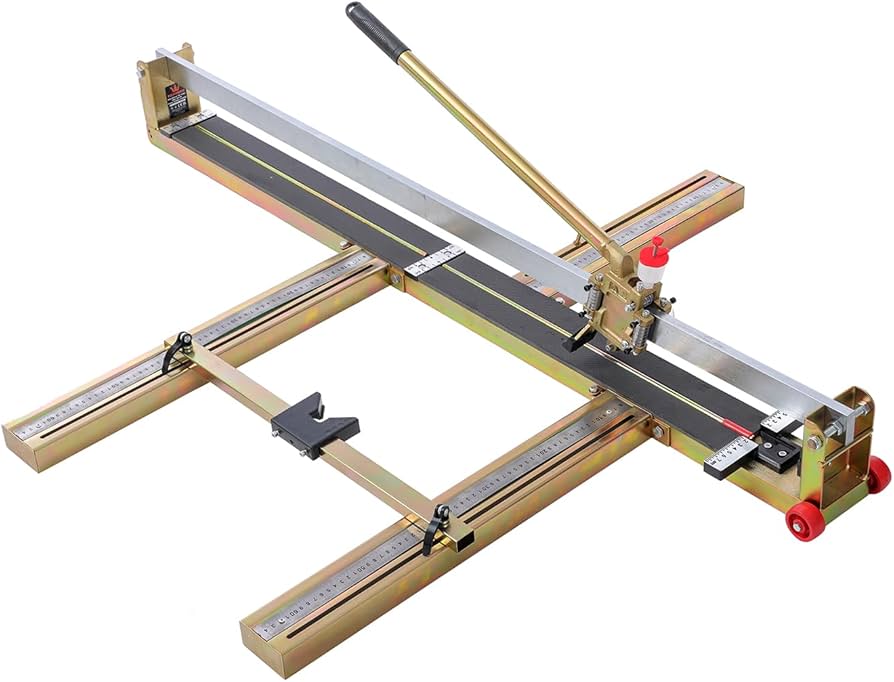
Planning a kitchen backsplash upgrade or installing new bathroom flooring? A manual tile cutter (often called a snap cutter) is the most reliable, cost-effective tool you can choose for the job. While electric wet saws have their place, the simplicity and precision of a manual cutter make it a favorite for DIY enthusiasts and professionals alike.
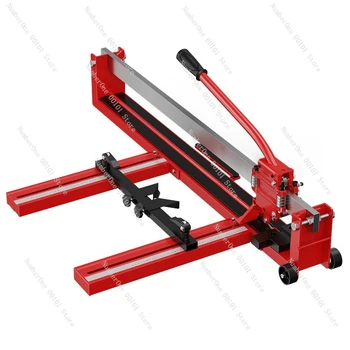
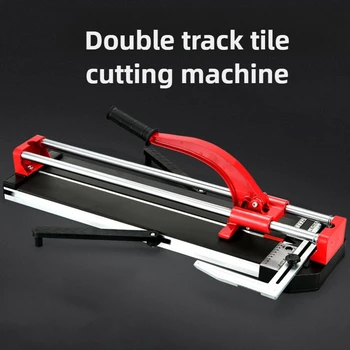
The Core Benefits of Going Manual
Mess-Free Operation: Unlike wet saws, manual cutters produce zero water spray and minimal airborne silica dust.
Budget-Friendly: They cost a fraction of the price of electric saws and require no electricity to run.
Perfect for Beginners: The "score and snap" method is incredibly easy to master within just a few tries.
High Portability: Lightweight and compact designs allow you to set up your workspace directly inside the room you are renovating.

How to Use a Manual Tile Cutter in 3 Simple Steps
Mark: Measure your tile and use a pencil to draw your cutting line on the glazed side.
Score: Place the tile firmly against the cutter's grid. Press down firmly on the handle and push the tungsten carbide wheel smoothly across the tile face just once.
Snap: Lower the breaking feet onto the tile edge, apply gentle downward pressure to the handle, and watch the tile snap perfectly along the scored line.
Key Limitations to Keep in Mind
While excellent for straight lines, manual cutters cannot make curved cuts or L-shaped notches around pipes. For those specific tasks, you will need to supplement your kit with a pair of tile nippers or a diamond-grit hand file.
While excellent for straight lines, manual cutters cannot make curved cuts or L-shaped notches around pipes. For those specific tasks, you will need to supplement your kit with a pair of tile nippers or a diamond-grit hand file.